Skip to content
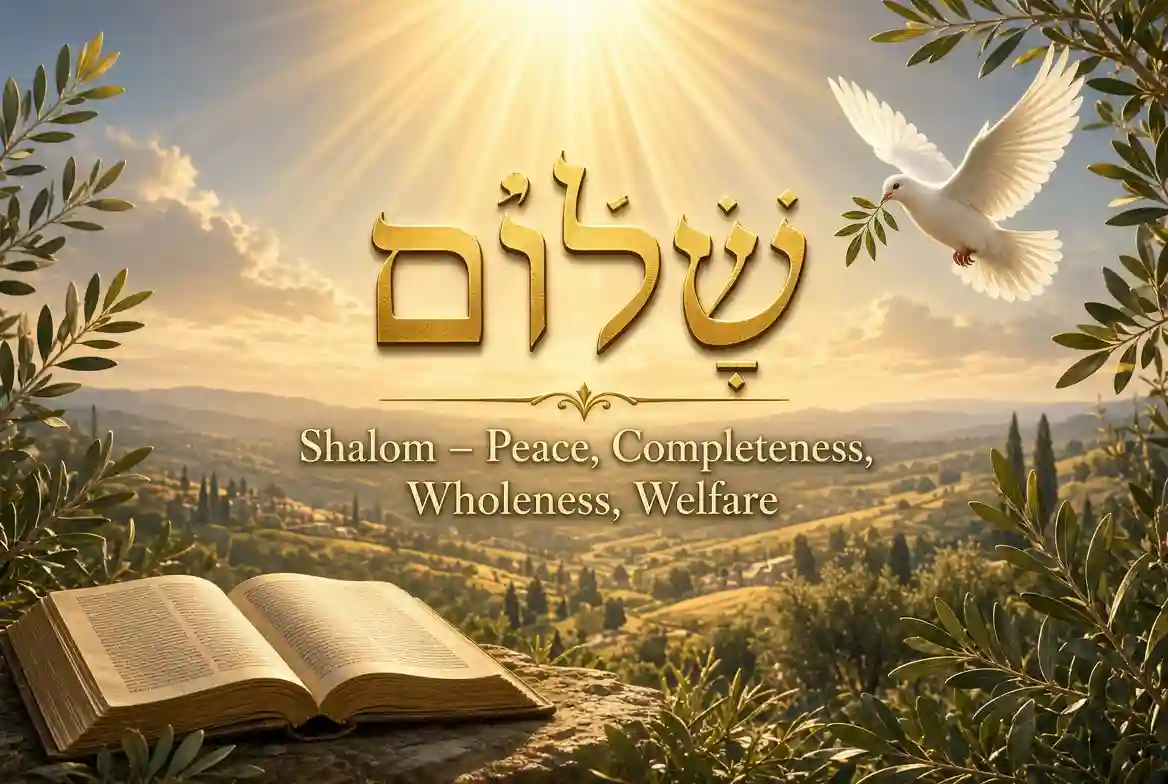
The shalom meaning in Bible is peace, wholeness, completeness, safety, and well-being. Shalom is a Hebrew word that often describes more than the absence of conflict. It can refer to healthy relationships, security, and a life marked by peace. In Scripture, shalom also expresses God’s desire for people to experience peace with Him and with one another.
Key Takeaways
- Shalom (שָׁלוֹם) is a Hebrew word commonly translated as “peace.”
- Its meaning can include wholeness, welfare, safety, and well-being.
- The Bible uses shalom in greetings, blessings, relationships, and promises of God’s peace.
- Isaiah calls the promised ruler the “Prince of Peace” in Isaiah 9:6.
- Biblical peace does not mean a person will never face hardship or conflict.
What Does Shalom Mean in the Bible?
Shalom is a Hebrew word used throughout the Old Testament. English Bible translations often render it as peace, but its meaning depends on the passage. It can describe peaceful relationships, personal safety, good health, prosperity, or a person’s general well-being.
Bible Hub
+1
Think of the difference between having no argument and having a healthy relationship. The first describes the absence of conflict. The second suggests trust, respect, and a positive connection. Both ideas relate to peace, but the second helps illustrate the broader sense of shalom.
In biblical teaching, peace is not simply a quiet moment. It can also describe a situation in which people enjoy security, relationships improve, and life reflects justice and goodness.
Shalom also appears in passages about God’s promises and blessings. It helps readers understand why biblical peace can involve both inner rest and the well-being of a community.
The Hebrew Root Behind Shalom
The Hebrew word is written שָׁלוֹם and is commonly pronounced shah-LOHM. It is associated with the Hebrew root sh-l-m, which carries ideas of completeness and soundness. Related Hebrew words can describe something whole or complete.
Bible Hub
+1
This connection helps explain why shalom can communicate more than the English word peace often suggests.
However, it is important not to treat every possible meaning as part of every verse. Sometimes shalom simply means peace or well-being. In other passages, the context points to safety, friendly relations, or prosperity.
What Does Shalom Mean in Different Bible Passages?
The meaning of shalom becomes clearer when you examine how biblical writers use it.
Shalom as a Blessing
In Numbers 6:24–26, God instructs Moses to tell Aaron and his sons how to bless the Israelites. The blessing asks God to protect His people, show them grace, and give them peace.
The final request is especially meaningful: “The LORD turn his face toward you and give you peace” (Numbers 6:26, NIV).
Bible Gateway
Here, shalom is part of a blessing that expresses a desire for God’s favor, care, and peace in the lives of His people.
This passage also shows that biblical peace is not presented only as something people create through their own efforts. It is something they ask God to grant.
Shalom as Well-Being and Safety
Shalom can refer to someone’s physical condition or general welfare.
In Genesis 43:27, Joseph asks his brothers whether their older people father is well. The passage uses the Hebrew word associated with shalom to ask about his father’s condition.
This example shows that the word does not always refer to spiritual calm or the end of a conflict. It can simply express concern for another person’s well-being.
Bible Gateway
+1
This broader meaning is useful when reading the Old Testament. A reference to peace may concern a person’s health, safety, or circumstances rather than an inner feeling.
Shalom as Restored Relationships
The Bible also connects peace with relationships between people and communities.
In Genesis 26:28–29, Isaac and Abimelek discuss making an agreement with one another. Their conversation concerns avoiding harm and establishing peaceful relations.
This illustrates another aspect of shalom: peace can involve trust, agreement, and a commitment to treat others fairly.
Biblexika
+1
From this perspective, pursuing shalom means more than avoiding arguments. It includes working toward reconciliation, honoring commitments, and seeking the well-being of others.
5 Important Bible Verses About Shalom
These five passages help explain the biblical meaning of peace and its connection to shalom.
| Bible verse | Main message |
|---|---|
| Numbers 6:24–26 | God blesses His people and grants peace. |
| Psalm 29:11 | God gives strength and peace to His people. |
| Isaiah 9:6–7 | The promised ruler is called the Prince of Peace. |
| Isaiah 32:17 | Righteousness produces peace, quietness, and confidence. |
| John 14:27 | Jesus offers His disciples peace amid fear and trouble. |
Bible Gateway
+2
1. Numbers 6:26: God’s blessing of peace
This verse forms the conclusion of the priestly blessing. It presents peace as a gift connected with God’s favor and care.
2. Psalm 29:11: Strength and peace
The psalm connects God’s strength with His blessing of peace. The two ideas belong together: peace is not necessarily weakness or passivity.
3. Isaiah 9:6–7: The Prince of Peace
Isaiah describes a promised ruler whose reign will be marked by peace, justice, and righteousness. In Christian interpretation, this passage is associated with Jesus Christ. The following verse emphasizes that his peace and government will have no end.
Bible Gateway
+1
4. Isaiah 32:17: Peace and righteousness
This passage connects righteousness with peace, quietness, and confidence. It suggests that genuine peace is related to what is right, not merely to keeping things quiet.
5. John 14:27: The peace of Jesus
Jesus tells His disciples that He gives them peace. His words come in a setting where they face uncertainty about what lies ahead. The passage presents peace as a source of reassurance even when circumstances are difficult.
Bible Gateway
+1
Together, these verses show that biblical peace can involve God’s blessing, righteous living, healthy relationships, and confidence during uncertainty.
Shalom vs. Peace: What Is the Difference?
Shalom and peace are closely related, but they are not always identical in scope.
| Term | Meaning | Example |
|---|---|---|
| Shalom | A Hebrew word for peace, well-being, welfare, and sometimes safety | Genesis 43:27 |
| Peace | An English word that can mean freedom from conflict or a state of calm | John 14:27 |
| Wholeness | A state of being complete or sound | Helps explain the broader idea associated with shalom |
| Reconciliation | The restoration of a broken relationship | Ephesians 2:14–16 |
The key distinction is that shalom can communicate a broad sense of well-being, while the English word peace may sometimes sound limited to the absence of conflict.
However, the words overlap. Peace is a valid and important translation of shalom. It would be inaccurate to suggest that every occurrence of shalom contains all the ideas of health, prosperity, wholeness, and spiritual harmony at once. The context determines which meaning is most appropriate.
Bible Hub
+1
What Does Shalom Mean for Christians Today?
For Christians, shalom offers a helpful way to think about peace in everyday life. It encourages believers to seek peace with God, treat other people fairly, and work toward healthier relationships.
1. Seek peace during difficult circumstances
John 14:27 reminds Christians that Jesus offers peace even when His followers feel troubled or afraid.
This does not mean that believers must hide sadness or pretend that every problem is solved. Instead, the verse encourages trust in Jesus during uncertainty.
2. Build peaceful relationships
Biblical peace includes how people treat one another. Listening carefully, speaking honestly, keeping promises, and apologizing when necessary can help repair damaged relationships.
These actions do not guarantee that every disagreement will disappear. They show a practical commitment to peace and respect.
3. Practice justice and integrity
Isaiah 32:17 connects righteousness with peace. This challenges the idea that peace means avoiding difficult conversations at any cost.
For example, overlooking dishonesty may keep a situation quiet for a short time, but addressing it fairly can help establish lasting trust.
4. Pray for God’s peace
Christians can use the priestly blessing in Numbers 6:24–26 as a model for prayer. They may pray for God’s protection, grace, and peace for themselves, their families, and their communities.
Ultimately, shalom is not a guarantee of perfect circumstances. It is a biblical concept that invites people to seek God’s peace and reflect it in their relationships and actions.
Is Shalom a Greeting or a Blessing?
Shalom is both a greeting and a word with the meaning of peace. In Hebrew-speaking communities, it can be used when meeting someone or saying goodbye.
Its use as a greeting can also express a wish for the other person’s well-being. The exact significance depends on the speaker, setting, and tradition.
Shalom aleichem is a related Hebrew expression meaning “peace be upon you.” It is also well known as a Jewish greeting. The traditional response is aleichem shalom, meaning “upon you be peace.”
Although shalom has deep religious and cultural significance, its everyday use is not limited to formal worship or prayer.
My Jewish Learning
+1
Frequently Asked Questions
1. What does shalom mean in the Bible?
Shalom is a Hebrew word commonly translated as peace. Depending on the context, it can also mean well-being, safety, welfare, or friendly relations. Its broader biblical significance includes the idea of life marked by peace and sound relationships.
2. What is the original Hebrew meaning of shalom?
Shalom is written שָׁלוֹם and is associated with a Hebrew root carrying the idea of completeness or soundness. It is commonly pronounced shah-LOHM. The word can refer to peace, welfare, or well-being, depending on how the Bible uses it.
3. Does shalom mean more than peace?
Yes, in many biblical contexts. Shalom can include safety, welfare, and healthy relationships in addition to peace. However, its precise meaning depends on the passage. It does not automatically mean perfect health, financial success, or freedom from every problem.
4. What does shalom mean in Numbers 6:26?
In Numbers 6:26, shalom means peace as part of God’s blessing on His people. The verse asks the Lord to show His favor and grant peace. In this setting, peace expresses a desire for God’s care and well-being.
5. What does shalom mean in Isaiah 9:6?
Isaiah 9:6 calls the promised ruler the “Prince of Peace.” Christians commonly understand this title as referring to Jesus. The next verse describes a reign characterized by enduring peace, justice, and righteousness.
6. Can Christians use the word shalom?
Yes. Christians can use shalom when discussing biblical peace, offering a blessing, or greeting someone appropriately. Understanding its Hebrew and Jewish background helps people use the word respectfully and recognize that it has significance beyond a simple English greeting.
Conclusion
The shalom meaning in Bible goes beyond a simple absence of conflict. This Hebrew word can describe peace, safety, welfare, and well-being, depending on its context.
From the blessing in Numbers 6:26 to the promise of the Prince of Peace in Isaiah 9:6, Scripture presents peace as an important part of God’s relationship with His people.
For Christians today, shalom offers a practical reminder to seek God’s peace, pursue justice, and care for others. It does not promise a life without hardship. Instead, it points toward a deeper understanding of peace that shapes faith, relationships, and everyday choices.

I am Joseph Parker, a devoted Bible content writer dedicated to sharing God’s Word with clarity and purpose.
Through Biblicaltribez.com, I create inspirational and scripture-centered articles that strengthen faith.
My goal is to guide readers into a deeper understanding of biblical teachings and Christian living.